What the 4 AM El Tatio Departure Actually Feels Like
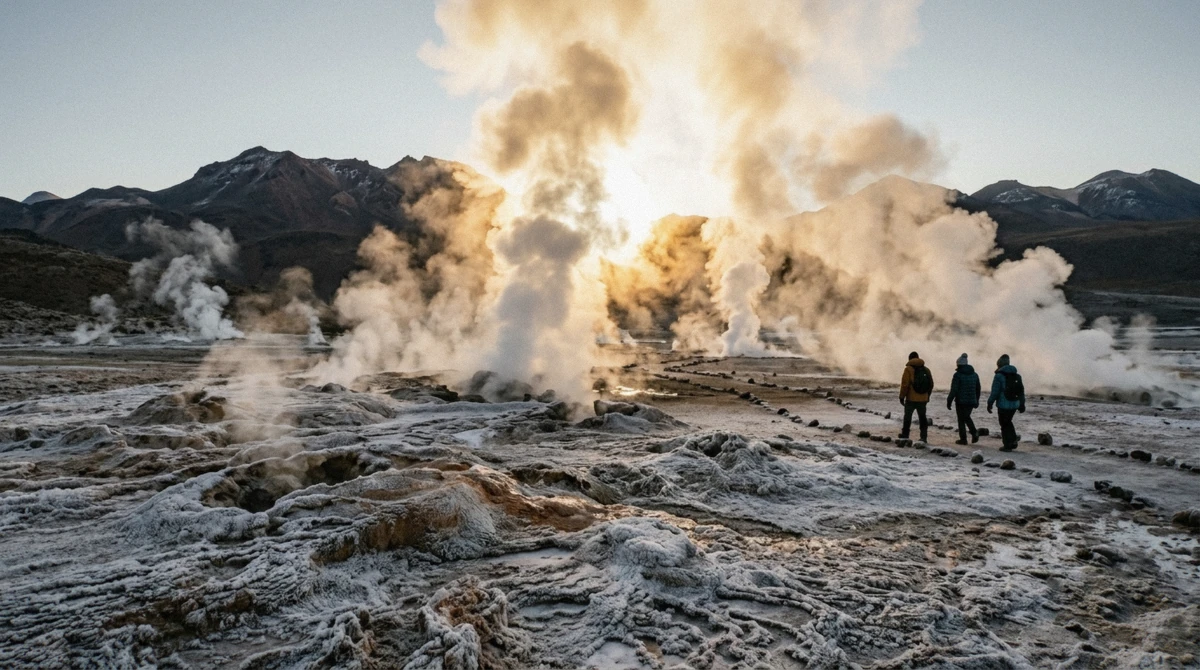
Every El Tatio sunrise tour sells the same photograph: steam columns lit orange against a dark ridge. What none of them describe is the four hours before it, the alarm at 3:30, the wait outside a dark hotel, the two-hour climb from 2,400 m to 4,300 m while half asleep, and a cold that goes through clothing most travellers thought was warm. This guide covers that part. It is not a tour listing; if you have already decided, the El Tatio geysers tour page has the prices, inclusions and dates, and the geyser tour comparison sets the two bookable options side by side. El Tatio is one of 26 tours in our Atacama Desert tours catalog and is among the most popular high-altitude excursions departing San Pedro de Atacama.
Quick answer
Pickup is between 4:00 and 5:00 AM, so you are awake by 3:30. The drive takes about two hours and climbs 1,900 m. The field sits at 4,300 m and runs to about -10 °C before sunrise in every season, including summer. Dress in three layers with a windproof outer, drink far more water than feels necessary the day before, and skip alcohol that night. Children under 9 are barred by park rule.
Key takeaways
- Set the alarm for 3:30, not 4:00, because pickup windows slip and you dress in the dark.
- -10 °C is normal at the field year round. A city winter coat is not enough.
- You gain 1,900 m of altitude in two hours; the headache usually arrives at breakfast.
- Steam collapses as the air warms, so by 9 AM the show is mostly over, which is the whole reason for the early departure hour.
- Under 9s are not allowed at El Tatio. That is a strict park rule, enforced at the entrance gate.
- Ready to pick one? Compare the two bookable geyser tours.
Comparing Ways to Experience El Tatio
Before committing to the early wake-up call, compare how the standard group sunrise run compares to afternoon self-drives and extended multi-day packages:
Comparison of Tour Formats and Departures
Choosing the right itinerary depends on your cold tolerance, altitude preparation, and budget. Here is how the main options stack up side by side:
| Option | Departure Time | Field Temperature | Steam Quality | Crowd Level | Typical Price |
|---|---|---|---|---|---|
| Standard Group Tour | 4:00 AM to 4:30 AM | -10 °C to -5 °C | Peak density and height | High (all vans arrive together) | $45 to $85 |
| Private Guided Outing | 4:30 AM to 5:00 AM | -8 °C to -2 °C | Excellent, adjusted pace | Low (tailored vantage points) | $180 to $260 |
| Afternoon Self-Drive | 1:00 PM to 2:00 PM | +12 °C to +18 °C | Faint mist, mostly boiling water | Very low (almost deserted) | Vehicle rental + entry fee |
| 3-Day Multi-Day Combo | 4:00 AM on Day 3 | -10 °C to -5 °C | Peak density | High | $380 (covers 4 full tours) |
Hourly Altitude and Temperature Timeline
Understanding the physiological profile of the morning helps you prepare both clothing and mental expectations:
Timeline from San Pedro to the Geothermal Field
Follow the transition from the valley floor to the high Andean plateau step by step:
| Time | Location | Elevation | Ambient Temp | Physiological Notes |
|---|---|---|---|---|
| 3:30 AM | Hotel in San Pedro | 2,400 m | +5 °C to +10 °C | Hydration window; light snack recommended |
| 4:30 AM | Puritama Canyon Highway | 3,200 m | 0 °C to +3 °C | Steady ascent; passengers generally doze |
| 6:15 AM | El Tatio Entrance Checkpoint | 4,320 m | -10 °C to -6 °C | Immediate thermal shock upon vehicle exit |
| 7:00 AM | Thermal Basin Walking Tour | 4,320 m | -8 °C to -2 °C | Maximum steam activity; careful walking pace |
| 8:00 AM | Buffet Breakfast at Field | 4,320 m | -2 °C to +4 °C | Peak likelihood of mild altitude symptoms |
| 10:00 AM | Machuca Wetland Hamlet | 4,000 m | +12 °C to +16 °C | Acclimatization stabilizes; wildlife viewing |
| 12:30 PM | Return to San Pedro | 2,400 m | +22 °C to +26 °C | Symptoms subside completely; afternoon rest |
Hour by Hour, From the Alarm
3:30 AM: dressing in the dark
Pickup windows for El Tatio run roughly 4:00 to 5:00, and operators confirm the exact time the night before via messaging or at your hotel reception. In practice you want thirty minutes of margin: you are pulling on layers in an unheated adobe room, filling a water bottle, and finding gloves you packed for a different climate. San Pedro nights are crisp, but inside the room it is easy to forget that what awaits you at the geysers is ten to fifteen degrees colder still.
Eat something small before you step outside. Breakfast on the tour comes three to four hours later, at altitude, and going up on a completely empty stomach makes dizziness and nausea significantly more likely. A banana, some dry biscuits, and a cup of warm water or herbal coca tea are ideal starting choices.
4:00 to 6:00 AM: the climb through the Andes
The gravel road out of San Pedro gains about 1,900 vertical meters in under two hours of driving. Most of the ascent happens in complete darkness, and most passengers sleep through it. This sudden gain is the primary challenge: you wake up already high without the gradual bodily adjustment that a walking trek provides.
The minivan heater is usually blasting, which is deceptively comfortable. Nobody's first assessment of the external temperature survives the sliding door opening at the park checkpoint. The contrast between warm vehicle air and sub-zero Andean gusts is an immediate physical shock that catches unprepared visitors off guard.
6:00 to 8:00 AM: exploring the geothermal field
El Tatio sits at 4,320 meters above sea level, making it the highest major geothermal basin in the world. The early arrival is dictated by atmospheric physics rather than aesthetic preference: the steam columns condense dramatically only when superheated geothermal water hits freezing morning air. As the sun climbs and heats the valley floor, the columns rapidly dissipate. By 9:30 AM, the dramatic towering white plumes shrink into faint surface vapors over mineral-crusted rock.
The ground throughout the basin consists of a thin, fragile crust concealing boiling subterranean brine reaching 85 °C. Roped pathways and wooden markers are strictly placed for safety because visitors in previous decades suffered severe burns by breaking through false crusts. Stay strictly on the delineated paths, and never step toward the edge of an active vent for a photograph.
8:00 AM: outdoor breakfast and altitude awareness
Breakfast is typically served buffet-style from the back of the tour vehicle around 8:00 AM, consisting of hot coffee, tea, bread, cheese, and sometimes eggs cooked directly in thermal waters. This is the exact moment when altitude symptoms often manifest: a persistent band of pressure across the forehead, lightheadedness, and shortness of breath when walking up slight inclines.
At 4,320 meters, each breath delivers roughly 40 percent less oxygen than at sea level. Dehydration, alcohol consumed the previous evening, and rapid vehicle ascent compound the strain. Guides carry emergency medical oxygen cylinders in every vehicle and will readily administer oxygen to anyone experiencing acute discomfort.
What to Wear, Specifically
Three functional layers against Andean wind
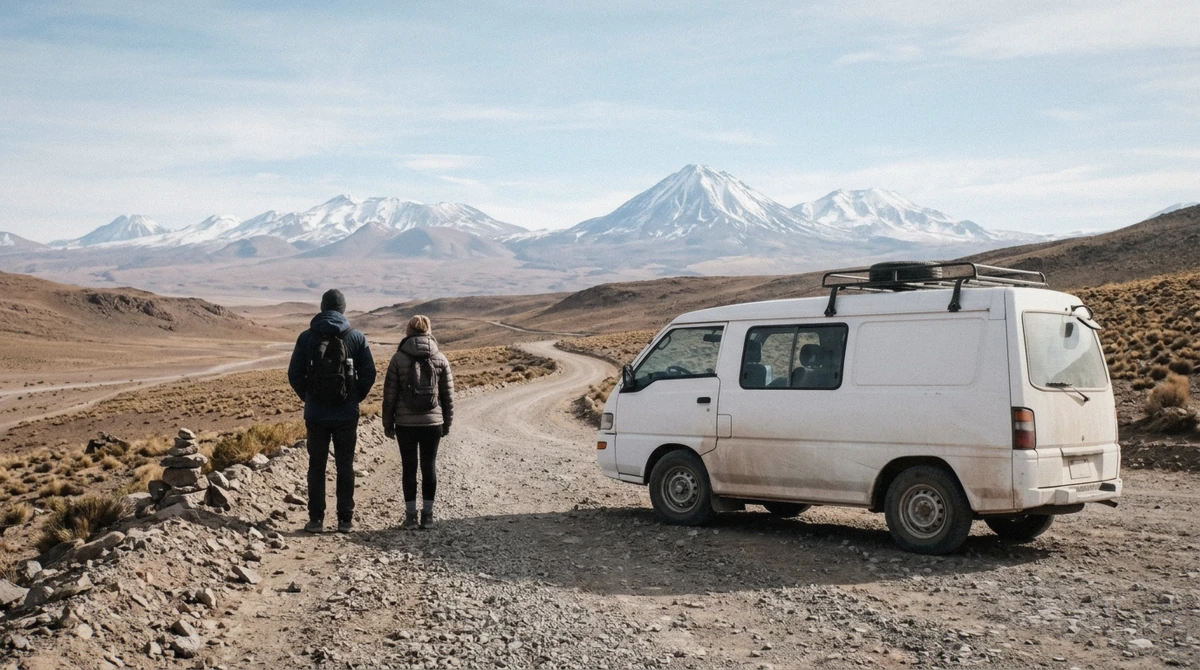
Sub-zero temperatures combined with biting mountain wind require technical layering rather than bulky city coats. You must build a system of three distinct layers:
- Base layer: thermal synthetic or merino wool top and long underwear bottoms. This moisture-wicking layer is the single most critical garment.
- Mid layer: high-pile fleece jacket, down sweater, or insulated wool pullover to trap core body heat.
- Outer shell: a fully windproof and waterproof jacket with a hood. A thick knitted wool coat allows mountain wind to blow straight through.
- Extremities: insulated ski gloves or wind-resistant mittens, a fleece beanie covering the ears, and a thermal neck gaiter.
- Footwear: thick wool hiking socks paired with sturdy, closed-toe walking shoes or trail runners with good traction on icy mineral crusts.
- Thermal pool gear: a swimsuit worn underneath your clothing and a quick-dry towel if your chosen tour includes bathing in the thermal springs.
Essential daypack contents
Carry at least 1.5 to 2 liters of drinking water per person. Mountain air is extraordinarily dry and accelerates dehydration. Pack SPF 50+ broad-spectrum sunscreen and UV400 sunglasses for the descent, when intense UV radiation reflects off the pale ground.
Bring Chilean peso cash for the park entrance fee (currently 15,000 CLP per adult), which is paid directly at the Indigenous community checkpoint unless explicitly bundled in your ticket.
Who Should Skip the Sunrise Tour
Medical contraindications and physical limits
Because El Tatio combines rapid ascent, extreme cold, and early awakening, it is not suitable for everyone. Review this checklist honestly:
- Anyone on their first 48 hours in San Pedro de Atacama: give your body two full days at 2,400 meters before ascending to 4,320 meters.
- Children under 9 years old: barred by park administration rules, which are strictly verified at the entrance gate.
- Pregnant travelers: medical protocols advise against traveling above 3,000 meters due to reduced fetal oxygenation.
- Individuals with chronic cardiovascular, severe respiratory, or uncontrolled blood-pressure conditions.
- Travelers with acute sleep deprivation or heavy fatigue: losing sleep immediately worsens altitude vulnerability.
Gentler low-altitude alternatives
If health considerations or cold sensitivity make El Tatio unappealing, several spectacular alternatives remain at comfortable elevations. The Moon Valley sunset tour takes place in the late afternoon at 2,550 meters. The Piedras Rojas full-day tour climbs more gradually through scenic altiplano villages.
The Laguna Cejar tour offers buoyant saltwater floating at valley level.
Realistic Assessment: Is It Worth It?
Weighing the early alarm against the visual payoff
Guest reviews across thousands of departures reflect a clear pattern: travelers who prepare with three warm layers, hydrate thoroughly, and acclimatize for two days consistently rate El Tatio as a standout experience. Conversely, those who arrive in lightweight cotton clothing or after an evening of drinking describe a grueling ordeal in the freezing cold.
The geothermal basin is unlike any other landscape in South America. Watching more than eighty active fumaroles and boiling geysers spew steam into an indigo sky as the first rays of sunlight illuminate the volcanic peaks of the Andes is an extraordinary sight. Book your departure for day three or four of your stay, dress appropriately, and the early wake-up will be richly rewarded.
Bookable Geyser Tours and Departures
Compare the standard morning departure with private and combination itineraries on our dedicated geyser tour hub:
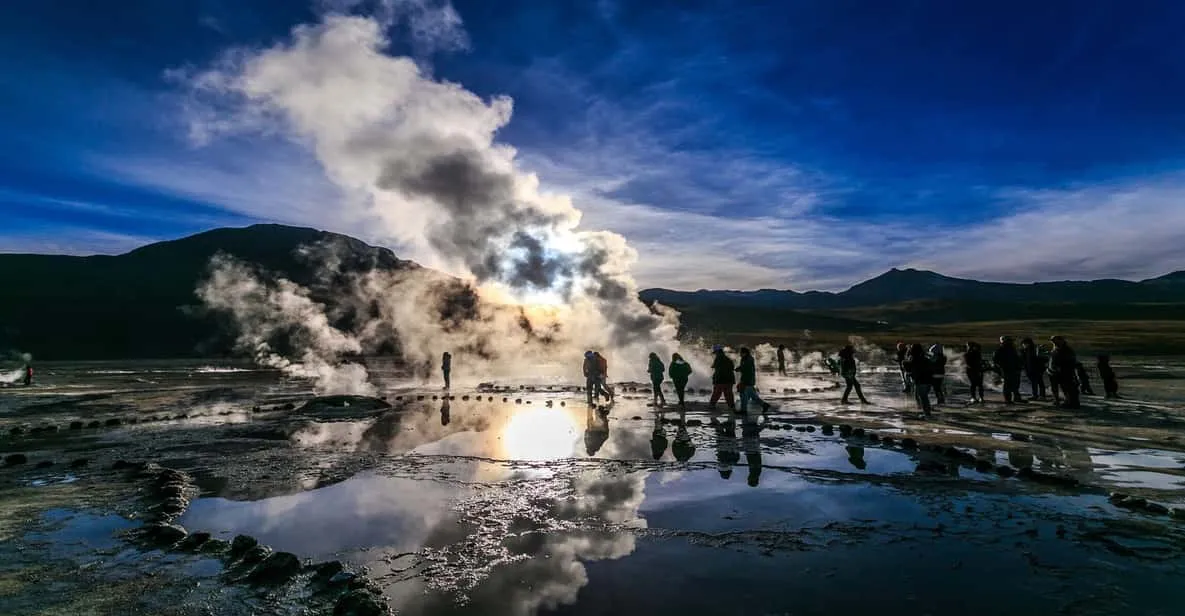
El Tatio Geysers & Wetlands Sunrise Tour
A 4 AM start to watch 80+ geysers erupt through freezing dawn air at 4,320 m, then flamingo-filled wetlands and the village of Machuca on the way back.
- Category
- Landscape & Nature Tours
- Pickup
- Hotel pickup
- Cancellation
- Free cancellation 24h
- Operator
- Feel Atacama
“fantastic day, great seeing the sunrise over the geyser!” — Michael
Booking, payment and cancellation are handled by GetYourGuide.
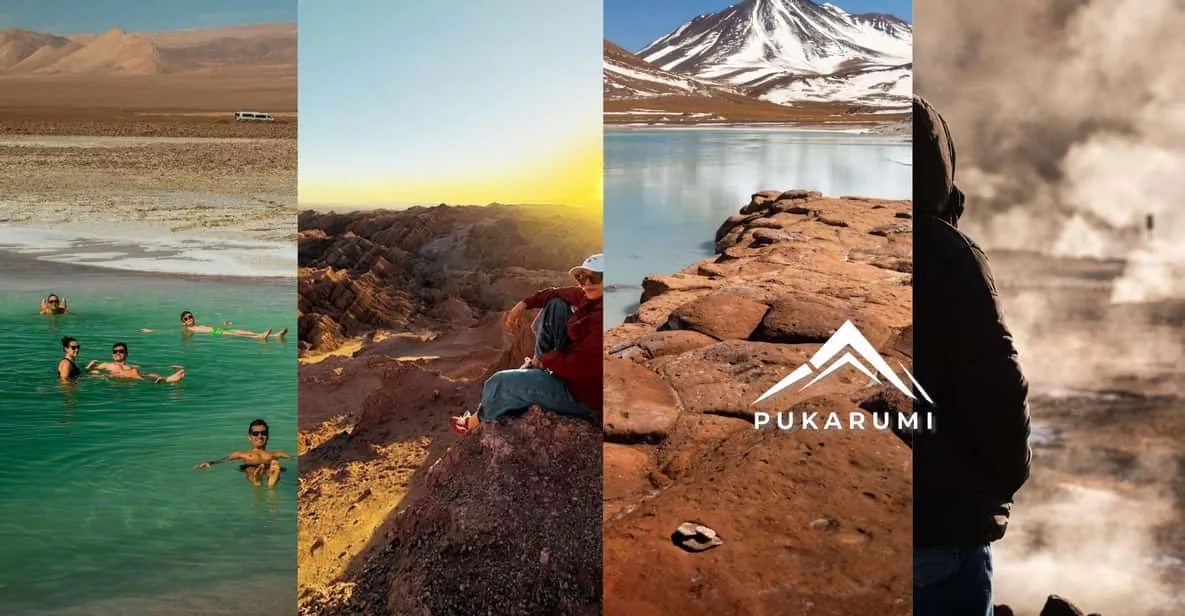
Best of Atacama: 4 Tours in 3 Days
The greatest-hits combo: Moon Valley, El Tatio geysers, altiplanic lagoons and stargazing packed into three days.
- Category
- Multi-Day Tours
- Pickup
- Hotel pickup
- Cancellation
- Free cancellation 24h
- Operator
- PUKARUMI TRAVEL AGENCY
“Very well organised tour with pickups with lovely breakfast/lunch. Very informative and nice tour guides. Would highly recommend this tour company.” — Anne
Booking, payment and cancellation are handled by GetYourGuide.
Frequently Asked Questions About El Tatio at 4 AM
What time does the El Tatio sunrise tour pick up from hotels?
Minivan pickup occurs between 4:00 AM and 5:00 AM, with the operator confirming your exact window the evening before. Set your alarm for 3:30 AM to allow ample time to dress and drink warm liquids.
How cold is El Tatio during the summer months?
Temperatures consistently drop to between -5 °C and -10 °C before sunrise in summer (December to February). The elevation of 4,320 meters means winter and summer dawns are both freezing.
Will I experience altitude sickness during the tour?
Most visitors feel mild sensations such as a light headache, shortness of breath, or mild fatigue around breakfast. These symptoms subside as the vehicle descends back toward San Pedro de Atacama.
Can I visit El Tatio later in the morning or afternoon?
You can visit independently later in the day, but the towering steam columns disappear once the sun warms the surrounding air. By mid-morning, the field appears predominantly as bubbling vents in bare rock.
Are children permitted to enter the geothermal reserve?
Children under 9 years of age are prohibited by official park regulations. The entrance gate strictly enforces age requirements for child safety.
Is breakfast included on guided geyser tours?
Yes, nearly all licensed group and private tours provide an outdoor buffet breakfast with hot beverages, bread, cheese, and spreads following the geothermal walk.